Convenient Bike Hire in Tucson for Desert Trails
Uncover Your City: The Ultimate Guide to Bike Rentals for Thrill-Seeking Explorers
Exploring a city by bike can convert a standard visit into an exciting experience. Knowing essential gear, rental policies, and local trails is crucial for a protected journey. The right bike can improve the ride, while scenic routes uncover hidden gems. Budgeting wisely and exploring eco-friendly options further enrich the experience. Yet, many miss the finer details that can enhance their biking adventure. What key tips might make a read more significant difference on the journey ahead?
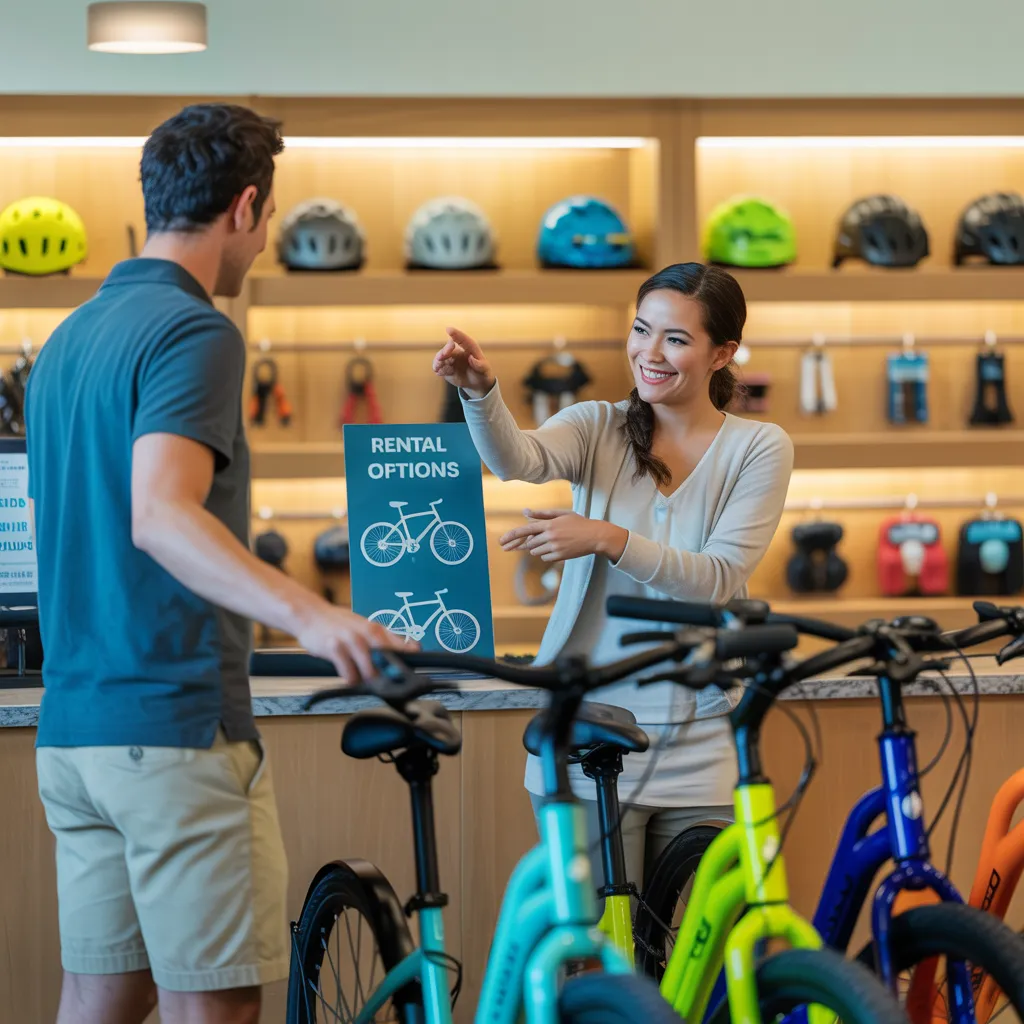
Key Gear for a Safe and Fun Ride
When starting on a bike rental experience, safety and comfort should be your top priority. Important gear includes a well-fitted helmet, which safeguards against head injuries and improves riding stability. Furthermore, padded bike shorts can considerably enhance comfort during lengthy rides, decreasing chafing and discomfort.
Riders should also consider choosing moisture-wicking garments to effectively control their body temperature. A reliable lock is essential for keeping safe the bike at rest stops, while a compact repair kit can resolve minor problems like flat tires or loose chains.
Sunglasses provide protection from UV rays and debris, improving visibility. Moreover, a water bottle and holder are crucial for maintaining hydration, especially during warmer days. Finally, bright or reflective gear improves visibility to others, ensuring safety on shared roads. By equipping themselves with this important gear, riders can enjoy a safer and more comfortable biking experience.
Where to Find the Best Bike Rental Shops
Discovering the finest bike rental shops can greatly enhance a cyclist's experience. To locate these shops, adventurers should commence by reviewing local ratings and reviews. Websites and apps dedicated to travel or outdoor activities frequently feature reliable rental shops, complete with user testimonials.
Furthermore, requesting input from fellow cyclists or local cycling communities can offer useful guidance. A great number of cities maintain established cycling trails and routes, so stores located near these locations tend to deliver competitive pricing and excellent service.
A further effective method is to head to nearby tourist information offices, where knowledgeable personnel can recommend rental shops close by, that commonly provide special offers or reduced rates.
Lastly, browsing social media platforms can uncover nearby cycling promotions and activities, allowing riders to stay informed about the top choices in their local area. Using these tools together will create a fulfilling and enjoyable riding experience.
Bike Rental Rules You Need to Know
Before finalizing a bike rental, being aware of the relevant policies is crucial for a seamless experience. Most rental shops commonly define particular terms concerning age eligibility, identification requirements, and payment options. Most rental providers request a government-issued ID along with a credit card for deposit purposes. It is equally important to understand the available rental periods; hourly, daily, and weekly options may vary in cost and availability.
Cancellation terms can vary significantly, with some providers giving full reimbursements if cancellations occur within a set window, while some establishments could apply penalty charges. Additionally, understanding the liability for damages or theft is critical. Certain rental agreements come with insurance coverage, while others may require additional coverage. Riders should also familiarize themselves with local traffic laws and any restrictions on bike paths. By understanding these terms, riders can ensure a more pleasant and seamless cycling adventure.
How to Choose the Perfect Bike Rental?
How does one determine the ideal bike rental option? To begin, understanding the type of riding needed is key. Whether the plan involves leisurely rides or challenging mountain trails, the chosen bike should suit both the terrain and purpose. Additionally, those looking to rent should evaluate the rental company's standing; customer reviews offer valuable information about service quality and gear condition.
In addition, it's important to assess the quality of the bikes. A quick evaluation for wear and tear or deterioration can avoid unwanted surprises. The rental period is also a key factor; many companies offer hourly, daily, or weekly rates, which can impact final expenses. Finally, reviewing rental agreements—such as liability options and return requirements—supports a straightforward transaction. By considering these aspects, customers can easily choose a bike rental that fulfills their recreational needs.
Find Scenic Trails and Hidden Wonders
Discovering picturesque paths and secret spots can elevate a cycling adventure into an unforgettable adventure. From spectacular riding paths that reveal magnificent views to lesser-explored locations brimming with authentic character, cyclists are regularly delighted by remarkable finds. Moreover, urban bike paths offer a combination of local flavor and practicality, perfect for cyclists in pursuit of a dynamic urban adventure.
Must-See Scenic Trails
Beautiful trails provide cyclists with the chance to lose themselves in nature while exploring breathtaking scenery and hidden wonders. A great number of cities offer well-kept routes that display their one-of-a-kind beauty. For instance, the lakeside path provides stunning views of shimmering waters, ideal for leisurely rides. Metropolitan parks commonly offer trails weaving through rich green spaces, where riders can experience a serene refuge from the hustle of city life. In mountainous regions, trails offer thrilling ascents and panoramic vistas that reward efforts with unforgettable scenery. Seaside paths treat riders to the refreshing sea breeze and striking coastal cliffs. Every path acts as a living canvas, illustrating a vivid portrayal of regional culture and natural beauty, beckoning explorers to discover and cherish each moment of the journey.
Lesser-Known Destinations
For adventurers looking for one-of-a-kind experiences, lesser-explored destinations expose remarkable finds and undiscovered trails that rarely attract attention. These breathtaking paths deliver a revitalizing getaway from overcrowded visitor attractions, allowing cyclists to immerse themselves in local culture and nature. Exploring quaint neighborhoods, cyclists may discover inviting coffee shops, colorful murals, or neighborhood bazaars that reflect the city's unique personality.
Nature enthusiasts can discover tucked-away parks, serene lakes, or winding rivers, perfect for a peaceful ride. Such paths frequently offer breathtaking scenery, including concealed viewpoints or lush greenery, absent from conventional maps. By venturing off the main roads, bikers can craft lasting impressions and uncover the authentic essence of their surroundings, elevating their overall experience.
Best Urban Bike Paths
What sets a bike path apart as truly remarkable? It typically comes from a mix of natural beauty, convenient access, and charming surprises. Bike paths in urban settings can elevate a casual ride into a meaningful exploration of a city's character. To illustrate, the High Line in New York City provides a one-of-a-kind elevated journey adorned with lush gardens and stunning art displays. Similarly, Chicago's Lakefront Trail offers spectacular vistas of Lake Michigan and the iconic Chicago skyline. In San Francisco, the Golden Gate Bridge path allows cyclists to soak in breathtaking vistas while crossing the iconic landmark. Each of these paths reveals urban landscapes, inviting riders to discover local culture and history, making them ideal for both tourists and residents seeking adventure on two wheels.
How to Conquer Local Trails Like a Seasoned Hiker
Navigating nearby trails demands thorough preparation and respect for the environment. Cyclists should equip themselves with necessary equipment, organize their paths ahead of time, and learn about proper trail conduct to enhance their experience. Understanding these elements guarantees a pleasant and secure journey for all participants.
Vital Equipment You Require
When exploring local bike paths, being equipped with the proper gear can make all the difference in enhancing the biking experience. Important equipment includes a properly fitted helmet to safeguard against injuries, and comfortable, moisture-wicking clothing for peak performance. Durable cycling gloves offer a secure grip and minimize fatigue, while padded cycling shorts boost comfort throughout longer cycling sessions.
A dependable water container or hydration pack is crucial to keep hydrated, especially on sunny days. Additionally, a small repair kit with tire levers, a bike pump, and a multipurpose tool can save a biking adventure from unexpected mishaps. Lastly, a quality pair of cycling glasses will guard against glare and road debris. With this essential gear, riders can safely explore local trails and make the most of their biking adventure to the maximum.
Navigate Your Path
Planning a route is vital for any cyclist enthusiastic to explore local trails efficiently. To begin, cyclists should study local maps and trail resources, focusing on their preferred distance and difficulty level. Utilizing apps like Strava or Trailforks can offer real-time navigation and showcase popular routes. Riders should take note of trail conditions, as changing weather can influence trail conditions; checking local forums or social media groups can provide helpful information. Moreover, marking landmarks and rest areas can elevate the riding experience, guaranteeing a more pleasant outing. Cyclists should also familiarize themselves with alternative routes in case of unexpected closures. In the end, careful planning allows cyclists to explore local trails with confidence and uncover hidden gems en route.
Trail Etiquette Guidelines
Mastering trail etiquette is crucial for bikers eager to get the best out of their outdoor experiences. First and foremost, they should consistently give way to pedestrians, permitting walkers and hikers to pass safely. When drawing near to fellow trail users, a gentle bell sound or verbal heads-up reduces unexpected encounters. Cyclists should ride at a controlled speed, most importantly in high-traffic zones, and refrain from zigzagging through other users. It is likewise vital to keep to established routes to reduce ecological disruption. Upon spotting wildlife, cyclists should watch from afar and refrain from disrupting the wildlife. Lastly, showing consideration for other trail users by keeping noise levels down and tidying up any mess along the route promotes a welcoming and pleasant trail experience for all trail users.
Managing Your Finances for Your Bike Rental Experience
What are the best ways to maximize a budget when renting a bike? As a first step, exploring nearby rental shops is key. Costs can fluctuate greatly, so browsing through various choices may expose outstanding shops with reasonable rates. Additionally, many shops provide discounts for longer rental periods, making it economical to opt for a full day or even a week.
Additionally, think about the kind of bicycle required. Even though top-tier models are attractive, a basic model is usually sufficient for relaxed sightseeing. You should also ask about complementary accessories, such as safety equipment or locking mechanisms, which may reduce the need for extra spending.
Last but not least, review any additional costs, such as coverage fees or overdue return penalties, to eliminate financial surprises. With thoughtful preparation and cost consideration, individuals can experience a gratifying ride without straining their finances. This deliberate method ensures the outing stays both satisfying and financially comfortable.
Eco-Friendly Benefits of Renting a Bike
While many travelers seek adventure, they might be unaware that renting a bike offers significant eco-friendly benefits. Choosing a bicycle over a car reduces carbon emissions, leading to fresher air and fewer traffic jams. Bikes consume no fossil fuels and require minimal resources for manufacturing, establishing them as a truly sustainable form of travel.
In urban settings, biking fosters a cleaner atmosphere by mitigating noise pollution and encouraging the development of bike-friendly infrastructure. Furthermore, bike-sharing programs commonly aid neighborhood businesses committed to sustainable operations, further enhancing the positive impact on the community.
Additionally, going with a bicycle rental builds a greater connection with the environment, allowing travelers to discover off-the-beaten-path locations without the carbon footprint resulting from fuel-powered transport. Given that attention to environmental issues rises, deciding to rent a bike proves to be not just a daring option but a sustainable one, synchronizing travel with green principles.
Frequently Asked Questions
Which Bike Types Are Offered for Rental?
Several bike types can be rented, such as road bikes, mountain bikes, hybrid bikes, and electric bikes. All types are crafted to accommodate different preferences, so that riders can find the perfect match for their urban adventure.
Are There Age Restrictions for Bike Rentals?
Age-related policies for bike rentals can vary from one location to another. Generally, adults are permitted to rent bikes, while younger riders may need parental approval or supervision. A number of rental shops carry bikes tailored specifically for younger riders to promote safety.
Is It Possible to Rent a Bike for a Day Trip?
Yes, the majority of bike rental services offer bikes for day trips, permitting individuals to explore their surroundings at their convenience. It's recommended to verify specific rental policies regarding time limits and other stipulations before booking.
What Do I Do if Someone Steals My Bike?
If a rented bike gets stolen, the person renting the bike is usually required to reporting the theft to the rental company and local authorities. Costs may be incurred depending on the terms of the rental agreement, potentially leading to financial liability.
Do Rental Shops Supply Helmets and Safety Equipment?
Most rental shops do provide helmets and safety gear, providing riders with necessary protection. That said, it is recommended that customers check the availability and state of equipment before making a rental, since policies can differ from one shop to another.